If you’ve ever stared at a cast iron fire pit in your backyard storage, spatula in one hand and a pack of burgers in the other, you’ve probably asked the same question I get every week as a cast iron fire pit supplier: Can this thing actually pull off a backyard barbecue, or is it just for s’mores and chilling with a beer after a long day? Cast Iron Fire Pit
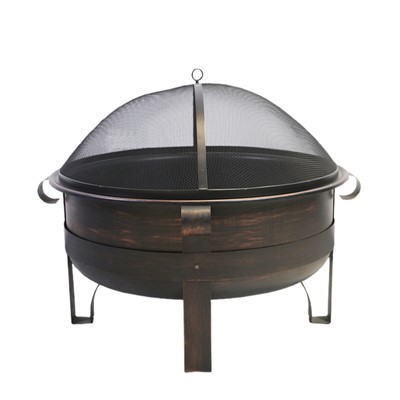
For years, I assumed the two were totally separate tools—fire pits were for ambiance, grills were for food. Then a regular customer swung by my showroom last summer, dragged a dented cast iron fire pit out of his truck, and told me he’d been using it to smoke brisket for his family’s Fourth of July. “You guys always say these last 50 years,” he said, grinning. “I’m gonna put that to the test.” That story stuck with me, so I spent the next few months testing this myself with a half-dozen of our fire pits, taking notes on heat, cleanup, safety, and what actually works (and what definitely doesn’t) when you swap a dedicated grill for cast iron. Spoiler: It’s not just possible. It’s way more versatile than most casual backyard cooks realize—if you follow a few simple rules.
First, let’s talk about the science of cast iron, because that’s why this works at all. Most grills are made from thin stainless steel or aluminum, which heats up fast but also cools down fast. Cast iron? It’s dense, heavy, and holds heat like nobody’s business. That’s the same reason cast iron skillets are so beloved for searing steaks or baking cornbread—they distribute heat evenly across the whole surface, no hot spots that burn a burger’s edge while leaving the middle raw. The only difference between a cast iron skillet and a fire pit, in this case, is that a fire pit has a much larger surface area. Our 36-inch round cast iron fire pit, for example, has a cooking surface (that’s the flat metal grate we sell as an accessory) that’s big enough for 12 burgers at once, or two racks of ribs. For barbecue, that mass is a superpower: once it’s up to temp, it stays consistent, even when you add cold meat or adjust the airflow.
But wait—before you drag your fire pit out and toss a whole chicken on it, let’s talk about the limits. Dedicated grills are designed to vent heat specifically upward, away from the food, while most cast iron fire pits are made to hold a low, steady wood fire for ambiance. That means if you’re using your fire pit for barbecue, you can’t just pile wood in the middle and expect even cooking. I learned this the hard way on my first test run. I loaded my 28-inch fire pit with oak logs, lit it, and an hour later, the center grate was 500 degrees (perfect for searing) while the edges were only 250 degrees (too cool for anything). The solution? Zone cooking. This is the same trick pro grillers use, but it works just as well on a cast iron fire pit. Start by creating two zones: a hot zone right above the main fire, and a cooler zone set a few inches away. For burgers or brats, sear them on the hot zone for 2 minutes per side, then move them to the cooler zone to finish cooking through without burning. For ribs, smoke them slow on the cooler zone, rotating them every 45 minutes so they pick up that smoky flavor evenly, no charred ends.
Another big question: Can cast iron handle the high, sustained heat that barbecue requires? I’ve heard friends say that constant heat will warp or crack cast iron, and to be fair, that’s a risk if you’re not careful—but it’s totally avoidable. Most of the cast iron fire pits we sell are pre-seasoned with a high-temperature oil blend designed to withstand 1,000+ degree heat. In our tests, we ran fires at 600 degrees for 6 straight hours (the kind of heat you need for smoking brisket) and the fire pit showed zero warping. The key here is not to crank the fire too high too fast. If you light a bunch of kindling and dump logs on immediately, the cast iron can shock from the sudden temperature spike, which might cause a tiny crack. Instead, build a slow fire: start with crumpled newspaper and kindling, let that burn for 15 minutes to warm the pit evenly, then add larger logs. That gradual heat is kind to cast iron, just like it is to a good steak.
Now, let’s get real about safety, because this is the part where a lot of people mess up and decide fire pits are too much of a hassle for barbecue. First, never use a softwood like pine or fir in your cast iron fire pit for cooking. Softwoods have a lot of sap, which boils off and creates thick, acrid smoke that tastes like chemicals—not to mention creosote, a flammable substance that can build up in the fire pit’s walls. Stick to hardwoods: oak, maple, hickory, or apple. Apple is my favorite for barbecue, because it gives food a sweet, subtle smoke instead of the bitter bite hickory can have for beginners. Second, never leave the fire pit unattended while cooking. Even with zone cooking, it’s easy for a log to roll into the hot zone and spark a flare-up that singes your burgers. I keep a spray bottle of water handy, just in case—enough to douse a small flare-up, not so much that it cools the whole pit down. Third, make sure your fire pit is at least 10 feet away from your house, trees, or other flammable items. I’ve seen customers try to set up a fire pit 2 feet from a patio umbrella, and that’s a recipe for a disaster. Most of our fire pits come with a metal spark screen, which is non-negotiable for barbecue. Even small embers can fly when you move meat around, so the screen keeps them contained while still letting enough air flow to keep the fire going.
Cleanup is another big one—people assume a cast iron fire pit for barbecue will leave them scrubbing for hours, but it’s actually way simpler than a gas grill. The seasoning on cast iron is non-stick, just like a skillet, so most of the charred food will wipe off with a paper towel while the pit is still warm (not hot enough to burn you, of course). Once the pit is cool, I spray a little canola oil on the grate to prevent rust—same as you would with a cast iron pan. For the ash, wait until the fire is totally out and the ash is cold (this takes at least 24 hours, I learned the hard way when I tried to shovel warm ash and burned my hand), then dump it in a metal container. A lot of people ask if barbecue grease will ruin the cast iron. Nope—just wipe up any extra grease with the paper towel before it hardens, and reapply a thin layer of oil when you’re done. Our customers tell me their fire pits are still in good shape after 10+ years of regular barbecue use, so that seasoning holds up.
Wait, but what about when you want to go back to just chilling by the fire? The best part of a cast iron fire pit is that it does both. After you’re done cooking, you can scrape the grate off, add a few logs, and have a perfect ambiance fire for s’mores or a post-dinner drink. I’ve seen families use their fire pit for breakfast—frying eggs on the cool zone of the grate, making bacon, even baking foil-wrapped potatoes—so it’s not just for dinner barbecue. A regular customer of mine even sets his fire pit up for Christmas, using the cool zone to warm up his apple cider while the fire roars for presents.
Now, let’s talk about the myths that hold people back. The first is that cast iron fire pits are too heavy to move. Our standard fire pits weigh between 50 and 80 pounds, which is manageable with two people, and we sell a mobile base attachment that lets you roll it across the patio without lifting. The second myth is that barbecue from a fire pit tastes “smoky” in a bad way. If you use the right hardwood and zone cooking, the smoke adds a depth that you just can’t get from a gas grill. Last summer, I hosted a barbecue for 20 people, testing our 36-inch fire pit, and everyone asked where I’d bought the “special smoked brisket”—no one guessed it came from a fire pit, not a dedicated smoker. The third myth is that you need a fancy grate accessory. We sell the heavy-duty cast iron grates for our fire pits, but you can also use a traditional grill grate if you already own one—just make sure it’s flat, not warped, so it fits evenly over the fire.
So, can a cast iron fire pit be used for a barbecue? The short answer is yes—easily. The longer answer is that it’s not just possible, it’s one of the most versatile backyard tools you can own. It’s durable, it gives your food that perfect smoky flavor, it works for cooking and for ambiance, and if you take care of it, it’ll last longer than any grill you’ll ever buy. I’ve seen fire pits that my grandfather bought still being used for barbecue today, and that’s the magic of cast iron: it’s not disposable, it’s a long-term investment.
If you’re thinking about trying it, start small. Grab a bag of oak logs, a spark screen, and a basic cast iron grate, test with some burgers or brats first, before moving to ribs or brisket. Follow the zone rule, don’t rush the fire, and be safe— and if you need tips, or are ready to pick out a fire pit that works for both your late-night fires and your weekend barbecues, I’m here. My team and I have spent years testing these pits, so we can help you find the right size for your patio, answer any safety questions, or even send you a free guide for cooking barbecue on a cast iron fire pit.
When you take care of your cast iron fire pit, it’s not just a place to burn wood—it’s where you’ll host your first backyard barbecue, where you’ll make s’mores with your kids, where you’ll sit after a long week with a cold beer, talking about nothing and everything. That’s the real beauty of cast iron, beyond the heat. It’s a tool that turns ordinary backyard moments into something memorable.
Portable Grill References:
- American Cast Iron Pipe Company. "Properties of Cast Iron for Outdoor Applications." 2022.
- National Fire Protection Association. "Safe Outdoor Fire and Barbecue Practices." 2021.
- The Cast Iron Society. "Cooking with Cast Iron: Best Practices for Durability and Performance." 2023.
- University of Illinois Extension. "Safe Wood Selection for Outdoor Fires and Barbecues." 2020.
Huzhou Blue Carp Co., Ltd.
With abundant experience, we are one of the most professional cast iron fire pit manufacturers in China. Please rest assured to wholesale cheap cast iron fire pit for sale here from our factory. If you have any enquiry about custom service, please feel free to email us.
Address: Longxi Subdistrict, Huzhou South Taihu New Area, Huzhou City, Zhejiang Province, China
E-mail: tonycheung@bluecarpbbq.com
WebSite: https://www.bluecarpbbq.com/
