If you’ve ever picked up a takeaway order, slipped a garment into a protective bag, or stored groceries in a lightweight, flexible wrapper, you’ve interacted with plastic packaging bags—products I’ve been manufacturing and refining for over a decade as a plastic packaging bags supplier. When customers ask me how these ubiquitous items go from raw resin to the final bag that ends up in their hands, I always start with this: it’s not just about melting plastic and shaping it. The process is a mix of precise engineering, quality checks, and small, intentional choices that make one bag better, stronger, or more suited for the job than another. For anyone new to the industry or just curious about the work that goes into their daily packaging, let me walk through exactly what happens in our production line, step by step. Plastic Packaging Bags
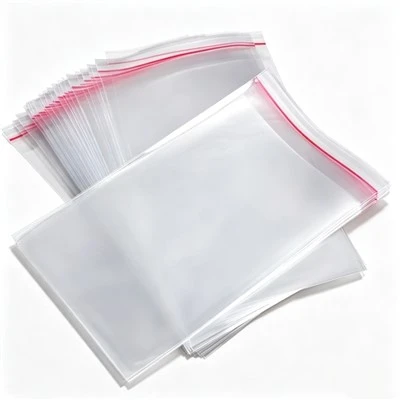
It all starts with raw materials, and contrary to what some people assume, we don’t just grab random pieces of plastic and melt them. The main input for most of our standard poly bags is low-density polyethylene (LDPE) or linear low-density polyethylene (LLDPE), both derived from petroleum but processed to have different properties. LDPE is softer, more flexible, and ideal for lightweight bags used in retail or shipping, while LLDPE is stronger, more puncture-resistant, and perfect for items that need extra protection, like bulk hardware or frozen food. We also work with high-density polyethylene (HDPE) for sturdier, rigid bags used in industrial packaging, and sometimes blend resins to balance properties—for example, mixing LDPE and LLDPE to make a bag that’s flexible enough for retail but durable enough to hold 50 pounds of goods. We buy our resin pellets from certified suppliers, and every batch comes with a material safety data sheet (MSDS) that tells us its viscosity, melt point, and chemical makeup; we test small samples of each batch before it even enters our machines to ensure it’s consistent. That consistency is non-negotiable for us, because a bad batch of resin can lead to bags that tear too easily or don’t seal properly, which costs our customers time and money in the long run.
The first big step in production is the extrusion process, where we turn solid pellets into a continuous tube of plastic. Here’s how it works: resin pellets are fed into a large extruder machine, which is essentially a heated barrel with a rotating screw inside. The screw pushes the pellets forward, and as they move, heat from the barrel (ranging from 150 to 250 degrees Celsius, depending on the resin type) and friction from the screw’s movement melts the pellets into a smooth, viscous liquid. Additives are mixed in at this stage too, and this is where we tailor the bag for specific uses. For UV-resistant bags, we add carbon black or UV stabilizers. For bags that need to be heat-sealable, we add slip agents to reduce friction so layers don’t stick together, and for bags used in food packaging, we use food-grade additives that meet FDA regulations. Once the plastic is fully melted, it’s forced through a circular die at the end of the extruder—a ring-shaped opening that shapes the molten plastic into a thin, continuous tube.
Right after the tube exits the die, we blow air into the inside of it to inflate it like a balloon. This is called blown film extrusion, and it’s the trickiest part of the whole process to get right. The air pressure, the speed at which the tube moves upward, and the cooling rate all have to be perfectly calibrated. If the air pressure is too low, the tube will be lopsided; too high, and it’ll stretch too thin, leading to weak spots. The tube is cooled by a ring of cold air around the die, which solidifies the plastic quickly, keeping the thickness consistent across the entire tube. We measure the thickness of the film at regular intervals using ultrasonic sensors; for most of our standard bags, the thickness is between 10 and 50 microns, but we can adjust this for heavy-duty or ultra-lightweight products. Once the tube is cool, it’s folded flat into two layers by a set of rollers, and that’s the big, flat, continuous roll of plastic film you might see being transported around our factory. This roll is called a “parent roll,” and we can cut it into smaller rolls depending on the bag size we need.
Next comes converting the parent roll into individual bags. This is where the flat film is printed, cut, sealed, and finished—all in a single pass through a converting machine. First, printing: if a customer wants their bag with a logo, product information, or a brand message, we use flexographic printing, a method that’s perfect for plastic film because it’s fast, affordable, and produces high-quality, durable prints. We can print up to 10 colors, and the ink we use is either water-based (for food-safe applications) or solvent-based (for industrial or retail bags that need extra scratch resistance). The print plates are custom-made for each order, and before we print the entire roll, we run a small test section to check that the colors are accurate, the alignment of the print is perfect, and there are no smudges or gaps. For blank bags, we skip the printing step entirely.
After printing, the flat film moves to the sealing and cutting section. Most plastic bags are either flat bags (simple, open at one end) or side gusseted bags, which have folds on the sides that let the bag expand to hold more volume. For flat bags, we heat-seal the bottom of the folded film, then cut it into individual bags. For side gusseted bags, we fold the edges of the flat film inward before sealing, which creates the expandable sides. The sealing is done with heated blades or rollers, and the temperature and pressure are adjusted so the seal is strong enough to hold the contents without being so tight that it’s impossible to open. We also make bags with resealable zippers, which are added during this stage: the zipper is a separate plastic strip that’s heat-bonded to one edge of the bag, so customers can open and close the bag multiple times without needing a secondary closure. Another common feature is a perforated line, usually at the top of the bag, that makes it easy to tear open. We test every bag to make sure the perforations are clean, not too easy to accidentally tear, and the seal doesn’t pop when the bag is filled.
Once the individual bags are cut, they go through a quality control (QC) check—one of the most important parts of our process, in my opinion. We don’t just count how many bags come off the line; we check for defects like thin spots, weak seals, misprinted logos, torn edges, or missing zippers. Our QC team works at a speed that lets them inspect every few hundred bags, and we also take random samples from each batch to test strength: we fill bags with the maximum weight they’re designed to hold, drop them from a standard height, and check if they leak or tear. For food packaging bags, we also test for chemical leaching to make sure no additives transfer to food inside. If a batch doesn’t pass these tests, we send it back to the converting line to fix the issue—no exceptions. I’ve turned down orders before where a customer wanted 10,000 bags at a lower price, but the resin batch was inconsistent; it’s not worth cutting corners, because a bag that fails in the customer’s hands hurts their reputation as much as it hurts ours.
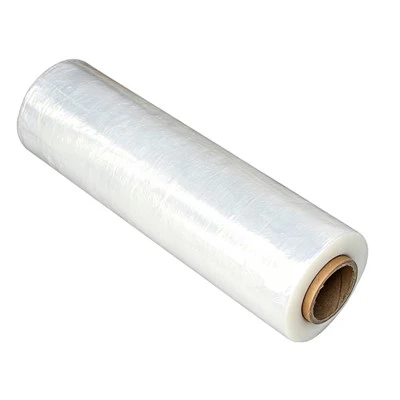
After passing QC, the bags are stacked, counted, and prepared for shipping. For smaller orders, we pack them in corrugated boxes with protective padding to prevent crushing, especially for resealable bags or gusseted bags that can get misshapen. For larger industrial orders, we wrap the bags in plastic film on pallets, label them with the order number, product type, and quantity, and add stretch wrap to secure them during transit. We also offer custom packaging for our customers, like labeling the pallets with their brand’s shipping labels or including product inserts inside the boxes if requested.
Wait, though—what about the parts of the process that people rarely talk about, like waste reduction? As a supplier, we know that sustainability is a big concern for our customers, so we’ve built steps into our production to minimize waste. The scrap from the converting line—offcuts from sealing, misprinted sections, or bags that fail QC—isn’t thrown away; we grind it up into small pieces, melt it down, and mix it back into the virgin resin for lower-grade products. That might not work for our premium food-safe bags, but for standard retail bags, it cuts our waste by almost 20%, which is good for both our bottom line and the environment. We also switched to energy-efficient extruders and LED lighting a few years ago, and we use water-based inks whenever possible to reduce solvent emissions.
Of course, every customer’s order is different, so the process can vary a bit depending on what kind of bag they need. A takeaway bag, for example, needs to be lightweight, tear-resistant, and sometimes compostable, so we use a blend of LDPE and compostable resin for that, and we add a water-based ink that’s safe for curbside composting. An industrial shipping bag, on the other hand, is made with LLDPE, printed with high-visibility logos, and reinforced with thicker seals to hold heavy pallets. We also offer custom sizes, from tiny 2×3 inch bags for sample products to large 40×60 inch bags for storing construction materials.
I get asked all the time if plastic packaging is still necessary, and while that’s a debate for another day, I know that our bags fill a real need: they’re affordable, lightweight, and protect products from damage, moisture, and dirt during shipping and storage. The production process might seem simple on the surface, but every step requires attention to detail, from testing the resin batch to checking a bag’s seal after cutting. For anyone looking for a reliable plastic packaging bags supplier who cares about both quality and sustainability, we’re here to help. Whether you need standard blank bags, custom printed bags, or specialty bags for food, retail, or industrial use, we can tailor the process to your needs to make sure you get a product that works for your business. If you have questions about our production process, want to discuss a custom order, or need a quote, feel free to reach out to our team to start the conversation.
Self Adhesive Labels References:
- "Plastic Packaging: Materials, Processing, and Applications" – Elsevier, 2021.
- Blumenthal, D. "The Basics of Blow Film Extrusion for Flexible Packaging" – Packaging World, 2020.
- "Food-Grade Plastic Packaging: Regulatory Standards and Testing Protocols" – FDA, 2022.
- "Sustainable Practices in Flexible Packaging Manufacturing" – Journal of Cleaner Production, 2023.
- Sidebottom, L. "Converting Film to Bags: Key Steps and Quality Controls" – Plastics Technology, 2019.
Junteng Packaging Co., Ltd.
As one of the most professional plastic packaging bags manufacturers and suppliers in China, we’re featured by quality products and good service. Please rest assured to wholesale bulk premium plastic packaging bags made in China here from our factory. We also accept customized orders.
Address: No.1 Huamao Road, Shuanggang Town, Tongcheng City, Anqing City, Anhui Province
E-mail: juntengpack2020@outlook.com
WebSite: https://www.juntengpackage.com/
