How to Protect Expanded Metal from Corrosion
As a supplier of expanded metal, I understand the significance of ensuring our products’ longevity and performance. Corrosion is one of the most common and detrimental issues that can affect expanded metal, leading to reduced strength, aesthetic degradation, and ultimately, a shorter service life. In this blog post, I will share some effective strategies and best practices to protect expanded metal from corrosion. Expanded Metal
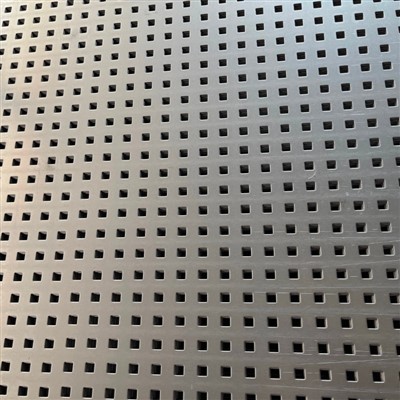
Understanding the Causes of Corrosion in Expanded Metal
Before delving into the protection methods, it’s essential to understand what causes corrosion in expanded metal. Corrosion is a natural process that occurs when metal reacts with its environment, typically oxygen and moisture. In the case of expanded metal, several factors can accelerate this process:
- Exposure to Moisture: Water is a primary catalyst for corrosion. When expanded metal is exposed to rain, humidity, or condensation, the water molecules can react with the metal surface, initiating the corrosion process.
- Chemical Exposure: Expanded metal used in industrial settings or areas with high levels of pollutants may be exposed to chemicals such as acids, alkalis, and salts. These chemicals can react with the metal, causing corrosion at a faster rate.
- Galvanic Corrosion: This occurs when two different metals are in contact with each other in the presence of an electrolyte (such as water). The more reactive metal will corrode preferentially, leading to accelerated corrosion of the expanded metal.
- Poor Surface Finish: If the expanded metal has a rough or uneven surface finish, it can trap moisture and contaminants, increasing the likelihood of corrosion.
Protective Coatings
One of the most effective ways to protect expanded metal from corrosion is by applying a protective coating. There are several types of coatings available, each with its own advantages and disadvantages:
- Galvanizing: Galvanizing is a process where a layer of zinc is applied to the surface of the expanded metal. Zinc is a sacrificial metal, which means it will corrode preferentially to the underlying steel, protecting it from corrosion. Galvanized expanded metal is highly resistant to rust and can last for many years in outdoor environments.
- Powder Coating: Powder coating involves applying a dry powder to the surface of the expanded metal and then baking it to form a hard, durable finish. Powder coatings are available in a wide range of colors and can provide excellent protection against corrosion, as well as UV rays and abrasion.
- Paint Coating: Paint coatings can also be used to protect expanded metal from corrosion. However, it’s important to choose a high-quality paint that is specifically designed for metal surfaces. The surface of the expanded metal must be properly prepared before painting to ensure good adhesion.
- Epoxy Coating: Epoxy coatings are known for their excellent chemical resistance and durability. They can provide long-term protection against corrosion, even in harsh environments. Epoxy coatings are often used in industrial applications where the expanded metal is exposed to chemicals and abrasion.
Proper Installation and Maintenance
In addition to applying a protective coating, proper installation and maintenance are also crucial for preventing corrosion in expanded metal. Here are some tips to keep in mind:
- Avoid Contact with Dissimilar Metals: As mentioned earlier, galvanic corrosion can occur when two different metals are in contact with each other. To prevent this, avoid using expanded metal in contact with dissimilar metals, or use a barrier material to separate them.
- Ensure Proper Drainage: To prevent water from pooling on the surface of the expanded metal, ensure that it is installed with proper drainage. This can be achieved by sloping the surface or providing drainage holes.
- Clean Regularly: Regular cleaning can help remove dirt, debris, and contaminants from the surface of the expanded metal, reducing the risk of corrosion. Use a mild detergent and water to clean the surface, and avoid using abrasive cleaners or tools that could damage the protective coating.
- Inspect for Damage: Regularly inspect the expanded metal for signs of damage, such as scratches, dents, or chips in the protective coating. If any damage is found, it should be repaired immediately to prevent corrosion from spreading.
Environmental Considerations
The environment in which the expanded metal is used can also have a significant impact on its corrosion resistance. Here are some environmental factors to consider:
- Humidity: High humidity levels can increase the risk of corrosion. In areas with high humidity, it’s important to choose a protective coating that is specifically designed to withstand moisture.
- Temperature: Extreme temperatures can also affect the performance of the protective coating. In hot environments, the coating may expand and contract, leading to cracking and peeling. In cold environments, the coating may become brittle and lose its flexibility.
- Pollution: Areas with high levels of pollution, such as industrial areas or near the ocean, can expose the expanded metal to chemicals and salts that can accelerate corrosion. In these environments, it’s important to choose a protective coating that is highly resistant to chemical attack.
- UV Exposure: Ultraviolet (UV) rays from the sun can cause the protective coating to degrade over time, reducing its effectiveness. In outdoor applications, it’s important to choose a coating that is UV-resistant.
Conclusion

Protecting expanded metal from corrosion is essential for ensuring its longevity and performance. By understanding the causes of corrosion and implementing the strategies and best practices outlined in this blog post, you can significantly extend the service life of your expanded metal products. Remember to choose the right protective coating, install the expanded metal properly, maintain it regularly, and consider the environmental factors.
Perforated Metal If you are in the market for high-quality expanded metal products that are protected against corrosion, I invite you to contact me for a consultation. We offer a wide range of expanded metal solutions, including galvanized, powder-coated, and epoxy-coated products, to meet your specific needs. Let’s work together to find the best solution for your project.
References
- Metals Handbook: Corrosion, ASM International
- Corrosion Basics: An Introduction, NACE International
- Protective Coatings for Metals: Fundamentals of Theory and Practice, CRC Press
- Expanded Metal Handbook, Expanded Metal Manufacturers Association
Anping Yilida Metal Wire Mesh Co., Ltd.
Anping Yilida Metal Wire Mesh Co., Ltd. is one of the most reliable expanded metal manufacturers and suppliers in China, also supports customized service. Please feel free to buy bulk high quality expanded metal made in China here from our factory.
Address: Wire Mesh Development Zone, Anping, Hebei Province, China
E-mail: sales@wiremesh-yg.cn
WebSite: https://www.yilidametal.com/
