As a seasoned supplier in the diesel engine industry, I’ve witnessed firsthand the critical role that every component plays in the overall performance and durability of these powerhouses. Among these components, the water pump stands out as a linchpin in the diesel engine’s cooling system. In this blog post, I’ll delve into the intricacies of the water pump’s function, its importance, and why it’s a crucial part of a well – functioning diesel engine. Diesel Engine
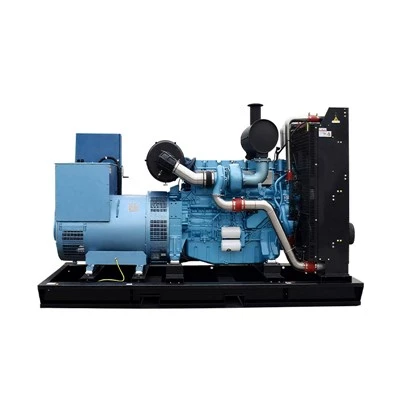
Understanding the Basics of Diesel Engine Cooling
Before we explore the role of the water pump, it’s essential to understand the fundamentals of a diesel engine’s cooling system. A diesel engine generates an enormous amount of heat during its normal operation. This heat is a by – product of the combustion process, where fuel is burned to produce mechanical energy. If this heat is not managed properly, it can lead to a variety of problems, including engine overheating, which can cause severe damage to engine components such as cylinder heads, pistons, and valves.
The primary purpose of the cooling system is to maintain the engine at an optimal operating temperature. This is achieved by circulating a coolant, usually a mixture of water and antifreeze, through the engine block and cylinder head to absorb the excess heat. The heated coolant is then transferred to the radiator, where it releases the heat to the surrounding air before being recirculated back into the engine.
The Role of the Water Pump
The water pump is the heart of the diesel engine’s cooling system, responsible for creating the necessary pressure to circulate the coolant throughout the engine. It works on a simple yet effective principle: as the engine runs, the crankshaft drives the water pump via a belt or chain. The pump’s impeller, located inside a housing, rotates at high speed, creating a centrifugal force that draws the coolant from the radiator into the pump.
Once the coolant enters the pump, the impeller forces it out through the outlet and into the engine block. The pressurized coolant then flows through a network of passages in the engine block and cylinder head, absorbing heat from the engine components. After picking up the excess heat, the heated coolant exits the engine and returns to the radiator through the upper radiator hose.
In essence, the water pump ensures a continuous and efficient flow of coolant through the engine, preventing the buildup of excessive heat and maintaining a stable operating temperature. Without a properly functioning water pump, the coolant would not be able to circulate effectively, leading to rapid overheating and potential engine failure.
Ensuring Optimal Performance
The efficiency of the water pump is crucial for the overall performance and longevity of the diesel engine. Several factors can affect the water pump’s performance. The quality of the pump itself is of utmost importance. A high – quality water pump is made from durable materials that can withstand the high temperatures and pressures within the cooling system. It also features precision – engineered impellers and seals to ensure maximum efficiency and prevent coolant leaks.
Regular maintenance is also essential to keep the water pump in top condition. This includes checking the coolant level regularly and ensuring that it is clean and free of contaminants. Contaminants such as rust, dirt, and debris can cause wear and tear on the pump’s components, reducing its efficiency and potentially leading to failure. Additionally, the drive belt or chain that powers the water pump should be inspected for signs of wear and replaced if necessary.
Another aspect to consider is the proper sizing of the water pump. A water pump that is too small may not be able to circulate enough coolant to keep the engine cool, while a pump that is too large can lead to excessive power consumption and reduced efficiency. Therefore, it’s crucial to select the right water pump for your specific diesel engine based on factors such as engine size, power output, and operating conditions.
Consequences of Water Pump Failure
A malfunctioning water pump can have severe consequences for a diesel engine. One of the most obvious signs of water pump failure is engine overheating. When the water pump fails to circulate coolant properly, the engine temperature rises rapidly, which can cause the coolant to boil and lead to steam escaping from the radiator. Overheating can cause the engine components to expand beyond their normal limits, leading to warped cylinder heads, cracked pistons, and damaged gaskets.
Coolant leaks are another common symptom of water pump failure. A leaky water pump can result in a loss of coolant, which not only reduces the effectiveness of the cooling system but can also cause environmental pollution. In addition, if the coolant leaks onto the engine’s hot components, it can create a fire hazard.
If left unaddressed, water pump failure can ultimately lead to complete engine failure, which can be extremely costly to repair. Therefore, it’s essential to be aware of the signs of water pump problems and address them promptly to avoid serious damage to the engine.
Choosing the Right Water Pump for Your Diesel Engine
When it comes to choosing a water pump for your diesel engine, there are several factors to consider. First and foremost, you need to ensure that the water pump is compatible with your engine’s make, model, and specifications. This includes factors such as the size of the engine, the type of coolant used, and the operating conditions.
It’s also important to choose a water pump from a reputable manufacturer. A reliable manufacturer will have a proven track record of producing high – quality components that meet or exceed industry standards. Look for water pumps that come with a warranty, as this provides an added layer of protection and peace of mind.
In addition, consider the performance features of the water pump. Some water pumps are designed with advanced impeller designs for increased efficiency, while others may feature sealed bearings for reduced maintenance. Choose a water pump that offers the features that are most important for your specific application.
Conclusion
In conclusion, the water pump plays a vital role in the diesel engine’s cooling system. It is responsible for ensuring the continuous circulation of coolant, which is essential for maintaining the engine at an optimal operating temperature. A well – functioning water pump is crucial for the performance, reliability, and longevity of the diesel engine.
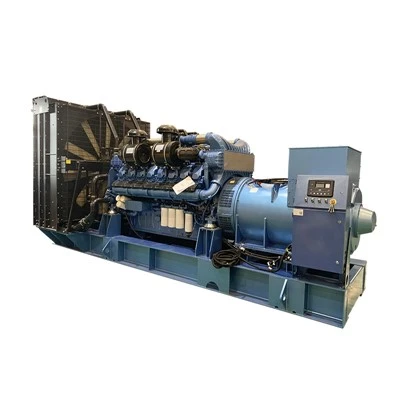
At our company, we understand the importance of high – quality components in the diesel engine industry. We offer a wide range of water pumps that are designed to meet the diverse needs of our customers. Our water pumps are made from the highest quality materials and are rigorously tested to ensure maximum efficiency and durability.
Marine Generator Set If you’re in the market for a reliable water pump for your diesel engine or have any questions about our products, we encourage you to contact us. Our team of experts is ready to assist you in finding the right solution for your specific requirements. Let’s start a conversation about how we can help you keep your diesel engines running smoothly and efficiently.
References
- Heywood, John B. Internal Combustion Engine Fundamentals. McGraw – Hill Education, 1988.
- Crolla, D. A. Vehicle Dynamics. SAE International, 2001.
- Taylor, Colin. Diesel Engine Management. Bentley Publishers, 2000.
China Modo Investment Co., Ltd.
As one of the most professional diesel engine manufacturers and suppliers in China, our products have good reputation in the market. We warmly welcome you to wholesale advanced diesel engine in stock here from our factory. If you have any enquiry about cooperation, please feel free to email us.
Address: Boye Industrial Park,Baoding city,Hebei Province,China.
E-mail: sales@mstengine.com
WebSite: https://www.mst-engine.com/
