Hey there! As a flat end mill supplier, I’ve seen firsthand how the material of these tools can make or break a job. In this blog, I’m gonna chat about how different materials used in flat end mills affect their performance. So, whether you’re a professional machinist or just someone curious about machining tools, stick around! Flat End Mill
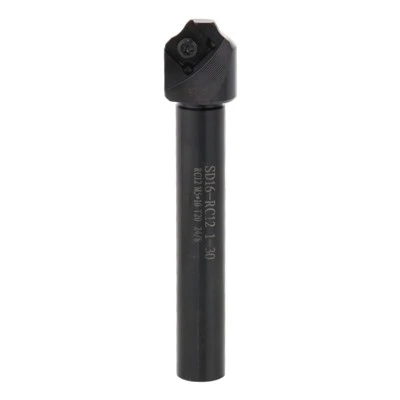
First up, let’s talk about High – Speed Steel (HSS). This is one of the most common materials for flat end mills. HSS is known for being tough and relatively inexpensive. It can handle cutting a wide range of materials, from mild steels to non – ferrous metals like aluminum.
One of the big advantages of HSS flat end mills is their versatility. They’re like the jack – of – all – trades in the machining world. You can use them for roughing, which is when you’re taking off a large amount of material quickly. The HSS keeps its edge well during this process, and it can take a fair amount of abuse without chipping.
But HSS does have its limitations. It doesn’t perform as well at high speeds because it starts to lose its hardness when the temperature rises. When you’re cutting at a high speed, the friction generates a lot of heat. If the tool gets too hot, the HSS will soften, and the cutting edge will wear out faster. So, if you’re doing a high – speed machining job, you might need to look at other materials.
Next, we’ve got Carbide. Carbide flat end mills are super popular, and for good reason. They’re much harder than HSS. This hardness allows them to cut through hard materials like stainless steel and titanium with relative ease.
Carbide mills can handle much higher cutting speeds than HSS. They dissipate heat better, which means they stay sharp for longer periods even when working at high speeds. This is great for precision machining. When you’re making small, detailed cuts, you want a tool that can keep its edge so you get a nice, clean finish.
However, carbide is more brittle than HSS. If you accidentally hit a hard spot in the material or apply too much force, the carbide can chip or even break. So, you’ve got to be a bit more careful when using carbide flat end mills. You need to set up your machining parameters correctly and make sure you’re using the right feed rates and cutting speeds.
Another material option is Cobalt – Alloy. Cobalt – Alloy flat end mills are a step up from HSS in terms of performance. The addition of cobalt makes them harder and more heat – resistant than regular HSS.
These mills are great for cutting tough materials that HSS might struggle with. They can maintain their hardness at higher temperatures, so you can use them for longer periods without worrying about the tool wearing out too quickly. They’re also good for applications where you need a bit more abrasion resistance.
But cobalt – alloy mills are more expensive than HSS. So, you need to weigh the cost against the benefits. If you’re working on a job where the tool life and performance are crucial, then the extra cost of a cobalt – alloy flat end mill might be worth it.
Now, let’s talk about how these material differences translate to real – world performance. When it comes to surface finish, carbide flat end mills usually win. Their ability to maintain a sharp cutting edge and handle high – speed cuts means they can leave a smoother surface on the workpiece. HSS can still give a decent finish, but it might need more passes to get the same level of smoothness.
In terms of tool life, carbide and cobalt – alloy mills tend to last longer than HSS. When you’re running a production line, this is a huge advantage. You won’t have to stop and change tools as often, which means more uptime and more parts produced.
The material of the flat end mill also affects the cutting forces. Carbide mills, because of their hardness, generally require lower cutting forces. This means less stress on the machine and less energy consumption. HSS mills, on the other hand, might need a bit more force, especially when cutting hard materials.
If you’re in the market for flat end mills, it’s important to consider the material you’ll be cutting. If you’re mostly working with soft metals and plastics, an HSS flat end mill might be all you need. But if you’re dealing with hard materials like hardened steel or high – strength alloys, carbide or cobalt – alloy is the way to go.
Also, think about your production volume. If you’re doing a one – off job, you might be able to get away with a cheaper HSS mill. But for high – volume production, it’s worth investing in better – quality tools that will last longer and give you better results.
As a flat end mill supplier, I’m here to help you make the right choice. I’ve got experience with all these different materials, and I can offer you advice based on your specific needs. If you’re looking to improve your machining performance, reduce tool costs, or just get a better finish on your parts, drop me a line. We can have a chat about your project and figure out which flat end mill material is the best fit for you.
I hope this blog has given you a better understanding of how the material of a flat end mill affects its performance. Remember, choosing the right tool is key to a successful machining job.
U Drills References:
- "Machining Handbook" by Industrial Press Inc.
- "Cutting Tool Engineering" magazine articles on flat end mill materials.
Small Craftsman (Shandong) Machine & Tools Co., Ltd.
Small Craftsman (Shandong) Machine & Tools Co., Ltd. is one of the most experienced flat end mill manufacturers and suppliers in China, also supports customized service with low price. Please feel free to buy bulk high quality flat end mill in stock here from our factory. Contact us for pricelist.
Address: No.9 Quanxin Rd., Sishui Economic Developing Zone, Jining, Shandong, China.
E-mail: 6196@ocutchina.com
WebSite: https://www.ocutooling.com/
