Hey there! I’m a supplier in the product quality game, and I know how crucial it is to keep that quality consistent. In this blog, I’m gonna share some tips and tricks on how we can ensure our products always meet the high – standards that our customers expect. Product Quality
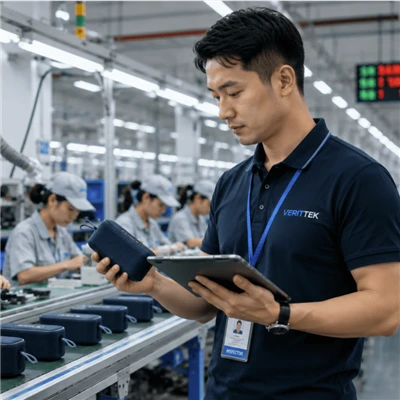
Understanding the Basics of Product Quality
First things first, we need to understand what product quality really means. It’s not just about making something that looks good; it’s about functionality, durability, safety, and meeting the customer’s needs. For example, if we’re supplying electronic gadgets, the product should perform its functions as advertised, last for a reasonable amount of time, and be safe to use.
One of the key steps in ensuring consistent quality is defining clear quality standards. We can’t aim for the target if we don’t know where it is. These standards should cover every aspect of the product, from the materials used to the final assembly. For instance, we might set a standard that the metal parts in our product should have a minimum thickness of a certain millimeter to ensure durability.
Quality in the Supply Chain
The supply chain plays a huge role in product quality. First up, picking the right suppliers is super important. You know, we can’t make a great product if the parts we’re getting are of poor quality. When choosing suppliers, I always look at their track record. Have they supplied high – quality materials in the past? Do they have any certifications that show they meet industry standards?
For example, I once worked with a supplier who seemed great at first but then started sending faulty components. It really messed up our production and quality control processes. After that experience, I made sure to do more in – depth background checks on potential suppliers.
Another thing in the supply chain is regular communication. We need to be in touch with our suppliers constantly. If there are any changes in the product requirements or if we notice something off with the materials they’re sending, we should let them know right away. And we should also encourage them to tell us if they face any issues on their end.
Implementing Quality Control Processes
Quality control processes are like the guardians of our product quality. There are different types of quality control checks that we can implement at various stages of the production process.
Incoming inspection is the first line of defense. When the raw materials arrive, we should inspect them to make sure they meet our quality standards. I usually conduct random sampling. Instead of checking every single piece, we randomly pick a sample and test it. If the sample fails, then we need to dig deeper and might even reject the whole batch.
During the production process, we also need in – process inspections. These are done at different stages of manufacturing to catch any issues early on. For example, if we’re assembling a product, we can check the assembly after each major step. This way, if something goes wrong, we can fix it right away instead of waiting until the end and having to scrap the whole product.
Finally, there’s the final inspection. Before the products leave our facility, we need to give them a thorough once – over. This is our last chance to make sure everything is perfect. We can use a combination of manual inspections and automated testing if possible.
Employee Training and Involvement
Our employees are a big part of ensuring consistent product quality. They’re the ones on the front lines, making and handling the products every day. So, proper training is a must.
We should provide regular training sessions on quality control procedures. For example, teaching them how to use the inspection equipment properly or how to identify common defects. I also like to hold refresher courses every few months to make sure everyone stays up – to – date.
But it’s not just about training; it’s also about getting employees involved in the quality improvement process. We should encourage them to share their ideas and feedback. They might notice something in the production process that could be improved. For instance, an assembly line worker might suggest a new way of putting parts together that’s more efficient and reduces the chance of errors.
Data – Driven Decision Making
In today’s world, data is king. We can use data to make better decisions about our product quality. By collecting data on defects, customer complaints, and production metrics, we can identify trends and areas for improvement.
For example, if we notice that a certain type of defect occurs more often on Tuesdays, we can look into it. Maybe there’s a particular operator working on that day, or perhaps a machine needs maintenance.
We can also use data to set quality goals and track our progress. If we set a goal to reduce the defect rate by a certain percentage in a quarter, we can monitor the data to see if we’re on track. If we’re not, we can adjust our processes accordingly.
Customer Feedback and Continuous Improvement
Listening to our customers is one of the most important things we can do to ensure consistent product quality. They’re the ones using our products, so they have valuable insights into what’s working and what’s not.
We should actively seek customer feedback through surveys, reviews, and direct communication. If a customer complains about a product feature not working properly, we need to take it seriously. We can use this feedback to make improvements to the product or our processes.
Continuous improvement is the name of the game. We should never be satisfied with the status quo. There’s always room for improvement, whether it’s in the product design, production process, or quality control measures.
For example, we can hold regular quality improvement meetings where we discuss customer feedback, data analysis results, and employee suggestions. Then, we can come up with action plans to address the issues and make our products even better.
Conclusion

Ensuring consistent product quality is a multifaceted task that requires attention to detail at every step. From choosing the right suppliers, implementing strict quality control processes, training our employees, using data to make decisions, and listening to our customers, every aspect plays a vital role.
Quality System Audit As a product quality supplier, I’m always committed to providing the best possible products to my clients. If you’re in the market for high – quality products and want to learn more about how we can ensure consistent quality in our offerings, I’d love to have a chat with you. Reach out to me if you’re interested in starting a procurement discussion. I’m here to work with you to meet your product quality needs.
References
- "Quality Management Handbook" by Juran and Godfrey
- "Total Quality Management" by David A. Garvin
- Articles from the American Society for Quality (ASQ)
Verittek Standards Co., Ltd.
As a professional product quality service provider in China, we help clients improve overall product quality and stability by providing third-party inspection services. If you have any enquiry about cooperation, please feel free to email us.
Address: Room 1002, Building 1, Tian’an Industrial Building, Panyu Energy Saving Technology Park, No.555 North Panyu Avenue, Donghuan Street, Panyu District, Guangzhou City, China.
E-mail: sales@verittek.com
WebSite: https://www.verittek.com/
