Safety regulations for chain slings and hardware riggings are of paramount importance in industries where heavy lifting and material handling are routine operations. As a supplier of chain slings and hardware riggings, I understand the critical role these regulations play in ensuring the well – being of workers and the integrity of the equipment. In this blog, I will delve into the key safety regulations that govern these essential tools. Chain Sling and Hardware Riggings
Inspection Requirements
Regular inspection is the cornerstone of safety when it comes to chain slings and hardware riggings. Before any use, a thorough visual inspection is necessary. For chain slings, the chain links should be closely examined for signs of wear, deformation, cracks, or corrosion. Any link that shows excessive wear, typically defined as a reduction in the cross – sectional area of more than 10%, should be removed from service immediately.
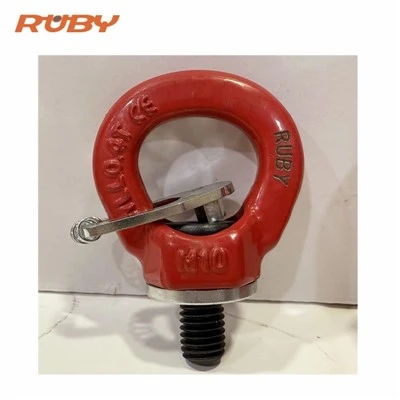
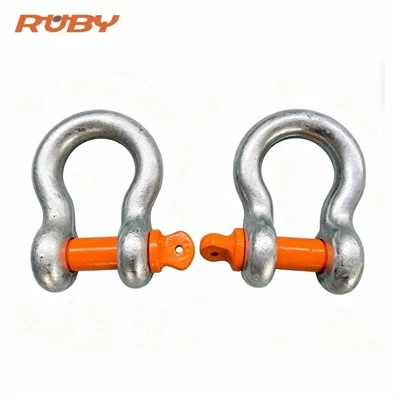
Hardware riggings, such as hooks, shackles, and swivels, also require meticulous inspection. Hooks should be checked for cracks, especially at the throat area. The hook’s opening should not be more than 15% of its original opening width. Shackles need to be inspected for any signs of bending, stretching, or damage to the pin. If the pin shows excessive wear or has lost its original shape, it can compromise the safety of the entire rigging setup.
In addition to daily pre – use inspections, periodic in – depth inspections by a qualified person are mandatory. These inspections should be conducted at least annually, or more frequently depending on the intensity of use, working environment, and any previous damage history. The results of these inspections should be documented, including details of any defects found and the actions taken.
Load Capacity and Rating
Understanding the load capacity and rating of chain slings and hardware riggings is crucial to prevent overloading. Each piece of equipment is marked with its rated capacity, which is determined by the manufacturer based on extensive testing. It is essential that operators never exceed these rated capacities.
When using multiple slings in a lifting operation, the load distribution must be carefully calculated. For example, in a two – sling lift, if the slings are at an angle to the vertical, the load on each sling increases compared to a vertical lift. Special load charts are available to help determine the actual load on each sling based on the sling angle.
Hardware riggings also have specific ratings. A shackle, for instance, has a working load limit (WLL). This limit takes into account factors such as the material strength, design, and intended use of the shackle. Using a shackle with a WLL lower than the actual load can lead to catastrophic failure.
Storage and Handling
Proper storage and handling of chain slings and hardware riggings are essential to maintain their safety and integrity. Chain slings should be stored in a dry, clean environment to prevent corrosion. They should be hung or stored on a rack to avoid kinking or tangling, which can cause stress concentrations and damage to the chains.
When handling chain slings, care should be taken to avoid dragging them on rough surfaces, as this can cause abrasion and wear. Hardware riggings should be stored in a way that protects their critical parts. Hooks, for example, should be stored in a manner that prevents them from being damaged or bent.
Environmental Considerations
The working environment can significantly affect the safety of chain slings and hardware riggings. In corrosive environments, such as chemical plants or marine settings, the chains and hardware are more prone to corrosion. In such cases, special coatings or materials may be required. For example, stainless – steel chain slings are a better choice in highly corrosive environments.
Temperature also plays a role. Extreme cold can make the metal more brittle, increasing the risk of cracks. In contrast, high temperatures can reduce the strength of the chains and hardware. When operating in extreme temperature conditions, it is necessary to consult the manufacturer’s guidelines for appropriate usage and any necessary precautions.
Operator Training
Proper operator training is non – negotiable when it comes to the safe use of chain slings and hardware riggings. Operators should be trained on how to conduct inspections, calculate load capacities, and handle the equipment correctly. They should also be aware of the potential hazards associated with these tools and how to respond in case of an emergency.
Training programs should be comprehensive and cover theoretical knowledge as well as practical hands – on experience. Regular refresher courses should be provided to ensure that operators stay up – to – date with the latest safety regulations and best practices.
Maintenance and Repair
Maintenance and repair of chain slings and hardware riggings should only be carried out by qualified personnel. Any damaged or worn components should be replaced with parts that meet the original manufacturer’s specifications. For chain slings, if a link needs to be replaced, it should be done using a proper welding or splicing method that restores the integrity of the chain.
Repairs to hardware riggings, such as hooks or shackles, should be carefully evaluated. In some cases, minor repairs may be acceptable, but in others, it may be safer to discard the damaged item and replace it with a new one.
Regulatory Compliance
There are several national and international standards that govern the safety of chain slings and hardware riggings. In the United States, the Occupational Safety and Health Administration (OSHA) has specific regulations regarding the use of lifting equipment. OSHA requires employers to ensure that chain slings and hardware riggings are used safely, inspected regularly, and maintained in good condition.
Internationally, standards such as ISO 3076 for chain slings and ISO 2419 for hardware riggings provide guidelines for design, manufacturing, and testing. Compliance with these standards is not only a legal requirement in many countries but also a guarantee of the quality and safety of the equipment.
As a supplier of chain slings and hardware riggings, I am committed to providing products that meet or exceed these safety standards. Our products are manufactured using high – quality materials and undergo rigorous testing to ensure their reliability. We also offer training and support services to our customers to help them use our products safely and effectively.
Chain Sling If you are in the market for chain slings and hardware riggings, I encourage you to reach out to us to discuss your specific needs. Whether you are involved in construction, manufacturing, or any other industry that requires heavy lifting, we have the expertise and the products to meet your requirements. We are ready to work with you to ensure that you have the safest and most efficient lifting solutions for your operations.
References
- Occupational Safety and Health Administration (OSHA) regulations on lifting equipment.
- ISO 3076: Chain slings – Safety – Grade 8.
- ISO 2419: General purpose wire rope slings – Safety.
Hangzhou Ruby Imp. & Exp. Co., Ltd.
As one of the most experienced chain sling and hardware riggings manufacturers and suppliers in China, we offer a wide range of products with superior quality. We warmly welcome you to wholesale custom made chain sling and hardware riggings at competitive price from our factory.
Address: Taoyuan Industrial Park, Puyang Town, Xiaoshan, Hangzhou, Zhejiang, China.
E-mail: Sales5@z2lifting.com
WebSite: https://www.rubylifting.com/
