Silicone sealant is a versatile and widely used product in various industries, from construction to automotive. As a silicone sealant supplier, I understand the importance of proper storage to maintain the quality and performance of our products. In this blog post, I will share some valuable insights on how to store silicone sealant effectively. Silicone Sealant
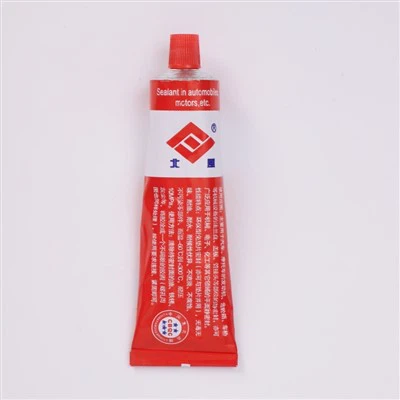
Understanding the Nature of Silicone Sealant
Before delving into storage methods, it’s essential to understand the properties of silicone sealant. Silicone sealant is a type of adhesive that cures when exposed to moisture in the air. Once cured, it forms a flexible, waterproof, and durable seal. However, before curing, it is in a liquid or paste form that can be easily affected by environmental factors.
Ideal Storage Conditions
The key to storing silicone sealant is to keep it in an environment that minimizes exposure to moisture, heat, and sunlight. Here are the ideal storage conditions:
Temperature
Silicone sealant should be stored at a temperature between 40°F (4°C) and 80°F (27°C). Extreme temperatures can affect the consistency and curing properties of the sealant. If the temperature is too low, the sealant may become too thick and difficult to apply. On the other hand, if the temperature is too high, the sealant may start to cure prematurely, reducing its shelf life.
Humidity
Humidity is one of the most critical factors in storing silicone sealant. The sealant should be stored in a dry environment with a relative humidity of less than 50%. High humidity can cause the sealant to absorb moisture from the air, leading to premature curing and a decrease in performance.
Sunlight
Sunlight can also have a negative impact on silicone sealant. Ultraviolet (UV) rays can break down the chemical structure of the sealant, causing it to become brittle and lose its flexibility. Therefore, it is recommended to store silicone sealant in a dark place, away from direct sunlight.
Storage Containers
The choice of storage container is also crucial for maintaining the quality of silicone sealant. Here are some tips on selecting the right container:
Sealed Containers
Silicone sealant should be stored in sealed containers to prevent moisture and air from entering. The container should be made of a material that is resistant to moisture and chemicals, such as plastic or metal.
Labeling
Each container should be labeled with the product name, batch number, and expiration date. This will help you keep track of the sealant’s shelf life and ensure that you use the oldest products first.
Size
The size of the container should be appropriate for the amount of sealant you need to store. If you have a large quantity of sealant, it is recommended to use larger containers to minimize the amount of air space inside.
Storage Location
The storage location is another important factor to consider. Here are some tips on choosing the right storage location:
Indoor Storage
Indoor storage is the best option for storing silicone sealant. It provides a controlled environment that is protected from extreme temperatures, humidity, and sunlight. You can store the sealant in a closet, basement, or storage room.
Avoiding Vibration
Vibration can cause the sealant to separate or settle, affecting its performance. Therefore, it is recommended to store the sealant in a location that is free from vibration, such as a stable shelf or a storage cabinet.
Separation from Other Chemicals
Silicone sealant should be stored separately from other chemicals, especially those that are reactive or flammable. This will prevent any potential chemical reactions that could damage the sealant or pose a safety hazard.
Handling and Transportation
Proper handling and transportation are also important to ensure the quality of silicone sealant. Here are some tips on handling and transporting the sealant:
Careful Handling
When handling silicone sealant, it is important to be careful to avoid any spills or leaks. The sealant should be stored upright to prevent it from leaking out of the container.
Transportation
During transportation, the sealant should be protected from extreme temperatures, humidity, and vibration. It is recommended to use a insulated container or a shipping box to protect the sealant from the elements.
Shelf Life
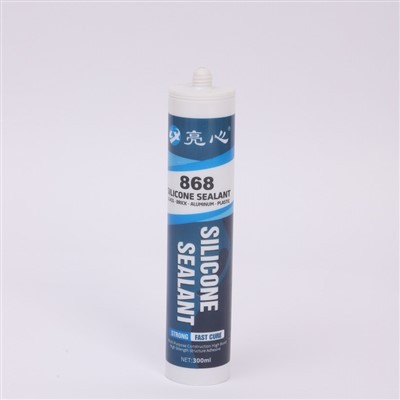
The shelf life of silicone sealant depends on several factors, including the type of sealant, storage conditions, and the manufacturer’s recommendations. Generally, silicone sealant has a shelf life of 12 to 18 months when stored under ideal conditions. However, it is important to check the expiration date on the container before using the sealant.
Conclusion
Manual Glass Glue Gun Proper storage of silicone sealant is essential to maintain its quality and performance. By following the tips outlined in this blog post, you can ensure that your silicone sealant remains in good condition and is ready to use when you need it. As a silicone sealant supplier, we are committed to providing high-quality products and excellent customer service. If you have any questions or need further information about storing silicone sealant, please feel free to contact us. We would be happy to assist you with your procurement needs.
References
- ASTM International. (2019). Standard Specification for Silicone Sealants for Glazing and Weather Sealing in Building Construction. ASTM C920-19.
- Dow Corning. (2018). Silicone Sealant Storage and Handling Guide.
- Sika. (2020). Silicone Sealant Product Information.
Shandong Liangxin Adhesives Co., Ltd.
We are one of the most professional silicone sealant manufacturers in China, featured by quality products and good service. Please rest assured to wholesale high-grade silicone sealant in stock here and get pricelist from our factory. We also accept customized orders.
Address: Industrial Park, Jiudu Sub-district, Hedong District, Linyi City, Shandong Province, China
E-mail: 15253909280@139.com
WebSite: https://www.liangxinglue.com/
