As a supplier specializing in motor and electronic control solutions, I’ve witnessed firsthand the profound impact these technologies have on marine equipment. The marine industry is a complex and demanding sector, where reliability, efficiency, and precision are of utmost importance. Motor and electronic control systems play a crucial role in meeting these requirements, enabling vessels to operate safely and effectively in a variety of conditions. Motor and Electronic Control
Propulsion Systems
One of the most significant applications of motor and electronic control in marine equipment is in propulsion systems. Traditional propulsion systems, such as diesel engines, have long been the standard in the marine industry. However, with the increasing demand for more efficient and environmentally friendly solutions, electric propulsion systems are becoming increasingly popular.
Electric propulsion systems offer several advantages over traditional diesel engines. They are more efficient, producing less noise and vibration, and they have a lower environmental impact. Additionally, electric propulsion systems can be easily integrated with other systems on board, such as energy storage and power management systems, to optimize the overall performance of the vessel.
Motor and electronic control systems are essential for the operation of electric propulsion systems. They are responsible for controlling the speed, torque, and direction of the electric motors, as well as managing the power flow between the batteries, generators, and other components. These systems use advanced algorithms and sensors to ensure that the propulsion system operates efficiently and safely, even in challenging conditions.
Steering Systems
Another important application of motor and electronic control in marine equipment is in steering systems. Steering systems are responsible for controlling the direction of the vessel, and they play a crucial role in ensuring the safety and maneuverability of the vessel.
Traditional steering systems, such as hydraulic steering systems, have been used in the marine industry for many years. However, with the increasing demand for more precise and responsive steering systems, electric steering systems are becoming increasingly popular.
Electric steering systems offer several advantages over traditional hydraulic steering systems. They are more precise, responsive, and reliable, and they require less maintenance. Additionally, electric steering systems can be easily integrated with other systems on board, such as autopilot systems and navigation systems, to optimize the overall performance of the vessel.
Motor and electronic control systems are essential for the operation of electric steering systems. They are responsible for controlling the speed, torque, and direction of the electric motors, as well as managing the power flow between the batteries, generators, and other components. These systems use advanced algorithms and sensors to ensure that the steering system operates efficiently and safely, even in challenging conditions.
Auxiliary Systems
In addition to propulsion and steering systems, motor and electronic control systems are also used in a variety of auxiliary systems on board marine vessels. These systems include pumps, fans, compressors, and other equipment that are essential for the operation of the vessel.
Motor and electronic control systems are used to control the speed, torque, and direction of the electric motors in these auxiliary systems. They are also used to manage the power flow between the batteries, generators, and other components, ensuring that the systems operate efficiently and safely.
One of the key advantages of using motor and electronic control systems in auxiliary systems is that they can be easily integrated with other systems on board the vessel. For example, the control system for a pump can be integrated with the vessel’s power management system to ensure that the pump operates at the optimal speed and power consumption. This can help to reduce energy consumption and improve the overall efficiency of the vessel.
Automation and Monitoring
Motor and electronic control systems also play a crucial role in the automation and monitoring of marine equipment. Automation systems are used to control and monitor the operation of various systems on board the vessel, such as propulsion, steering, and auxiliary systems. These systems use sensors and controllers to collect data and make decisions based on the data.
Monitoring systems are used to collect and analyze data from various sensors on board the vessel, such as temperature sensors, pressure sensors, and flow sensors. This data can be used to detect potential problems and take corrective action before they become serious.
Motor and electronic control systems are essential for the operation of automation and monitoring systems. They are responsible for controlling the various components of the systems, such as sensors, controllers, and actuators. These systems use advanced algorithms and sensors to ensure that the automation and monitoring systems operate efficiently and safely, even in challenging conditions.
Conclusion
In conclusion, motor and electronic control systems play a crucial role in the operation of marine equipment. They are used in a variety of applications, including propulsion systems, steering systems, auxiliary systems, and automation and monitoring systems. These systems offer several advantages over traditional systems, including increased efficiency, reliability, and precision.
As a supplier of motor and electronic control solutions, we are committed to providing our customers with the highest quality products and services. We have a team of experienced engineers and technicians who are dedicated to developing and implementing innovative solutions that meet the needs of our customers.
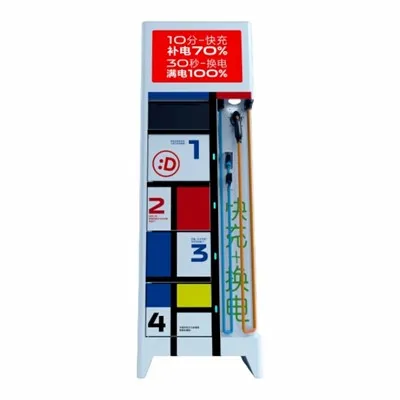
Smart Fast Charging Cabinet If you are interested in learning more about our motor and electronic control solutions for marine equipment, please contact us to schedule a consultation. We would be happy to discuss your specific requirements and provide you with a customized solution that meets your needs.
References
- Smith, J. (2018). Marine Electrical Systems: Design, Installation, and Troubleshooting. Elsevier.
- Jones, R. (2019). Electric Propulsion for Ships: Principles, Design, and Applications. Wiley.
- Brown, S. (2020). Marine Automation and Control Systems: A Practical Guide. CRC Press.
Jiangsu Changyun Drive Techniques Co., Ltd.
As one of the leading motor and electronic control manufacturers and suppliers in China, we offer a wide range of products with superior quality. Please rest assured to wholesale advanced motor and electronic control from our factory. If you have any enquiry about cooperation, please feel free to email us.
Address: Building B, 1st Floor, Chuangyan Port, Science and Education City, Wujin District, Changzhou City, Jiangsu Province
E-mail: eva@czbenma.com
WebSite: https://www.cyevenergy.com/
