Hey there, let’s cut to the chase—industrial packaging waste isn’t just a headache for the planet, it’s a huge drag on your bottom line too. I’ve been in the industrial packaging solutions game for over a decade now, and I’ve seen it all: clients tossing whole pallets of shrink wrap because one load got damp, using custom foam inserts for a single part that’s only used once, and just… wasting so much stuff that could’ve been reused or recycled. The old “just ship it with whatever works” approach doesn’t fly anymore—especially with more and more of your customers asking for sustainable practices, and regulatory bodies tightening up on waste rules. So today, I’m gonna break down the real, actionable ways to cut industrial packaging waste that I’ve tested with my own clients (no fancy AI jargon, just what actually works). Industrial Packaging Solutions
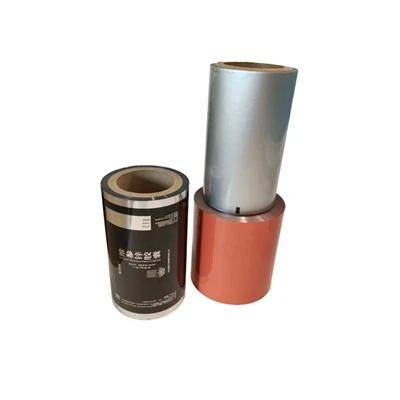
First up: audit your current packaging like your budget depends on it. Wait, no—actually audit it, not just a quick glance when you order a new batch. A lot of companies I work with use the same packaging specs they did 5 years ago, even if their products, shipping lanes, or supply chain changed. Last year, I had a mid-sized manufacturing client that was using 4-inch thick custom foam inserts for small auto parts that barely weighed a pound. When we dug into it, their shipping team had just grabbed a standard foam block from the storeroom without checking if it was overkill—they were even tossing half the unused foam because it didn’t fit another part. We did a full 2-week audit: we weighed every packaging component, tracked how much got thrown away at the shipping dock, and even followed a few test shipments to see if the packaging actually held up. Turned out, they only needed 1-inch foam, and switching to a flexible, reusable foam alternative cut their foam waste by 72% in 3 months. The takeaway here? Don’t assume your current packaging is optimized. Track every single piece—shrink wrap, pallets, dunnage, whatever—and note where it’s getting wasted: is it over-packaging, damaged loads that need extra material, or just leftover stuff that can’t be reused?
Next, move away from single-use everything and lean into reusable packaging systems. I know, I know—“reusable packaging sounds expensive upfront,” but hear me out. When you factor in the cost of disposing of single-use materials (like landfill fees, labor to haul waste, and even fines for over-wasting), it usually pays for itself in 12-18 months. For example, a food processing client I work with was using single-use wooden pallets that got trashed after one trip because they’d break or get stained. We swapped them for heavy-duty plastic pallets that last 5+ years, and added a return loop with their distributors—distributors send the empty pallets back to our facility for cleaning, then send them out again. Not only did they cut pallet waste by 90%, they stopped paying $1.20 per pallet to haul them to the landfill. Another big one: reusable dunnage. Instead of bubble wrap that pops and gets tossed, we use corrugated plastic dunnage that can be flattened, stacked, and reused 20+ times. We even label each piece so clients can track where it’s at (no more losing reusable stuff in a warehouse). The key here is to build a system that’s easy to maintain—no one’s gonna use reusable packaging if it’s a hassle to track or clean.
Then, optimize for returnability and recycling with design that fits the circular economy. A lot of companies think “recyclable” just means putting a number on the packaging, but it’s more than that. If your packaging has multiple materials stuck together (like a plastic shrink wrap layer glued to a cardboard pallet), it’s almost impossible to recycle because sorting facilities can’t separate them. So when we design packaging for clients now, we prioritize mono-materials—single types of plastic or cardboard that are easy to recycle. For example, recently I worked with an electronics client that was using a mix of foam, cardboard, and plastic film for their circuit board shipments. We redesigned it with 100% recyclable corrugated inserts and a thin, stretchable plastic wrap that’s a single resin type, so their local recycling center can process it without sorting issues. They also started adding a “return label” to every package: when the customer opens it, they can send the empty packaging back to the client’s facility to be reused, which cuts down on new packaging orders. Another trick: right-size everything. Too much empty space in a box means you’re using more material than you need, and it also leads to more damage (which means more packaging waste from replacing broken products). We use 3D modeling tools (no, not the fancy Hollywood kind—simple stuff to fit the exact product) to make boxes that are 10% smaller than their old ones, which cuts material use by almost that same percentage.
Wait, let’s talk about shrink wrap—one of the biggest culprits of industrial packaging waste. I’ve seen so many warehouses using thick, 80-gauge shrink wrap for loads that only need 40-gauge, just because “that’s what we’ve always used.” Or they’re using shrink wrap that’s not recyclable at all. The solution here? Switch to stretch film with higher elongation (meaning it stretches further to hold loads tight) and thinner gauges. I had a client that switched from 80-gauge to 50-gauge stretch film, and they used 35% less film every month—their loads were just as secure, and the film is recyclable because it’s a single LDPE resin. Another option: if your loads don’t need extra protection, skip shrink wrap entirely and use strapping or reusable pallet covers. I know one distribution center that switched to reusable fabric pallet covers for non-fragile goods, and they haven’t used shrink wrap in 2 years—cutting their shrink wrap waste by 100% for those loads.
Also, don’t sleep on training your team. I can design the best packaging system in the world, but if your shipping team is still over-wrapping every load “just to be safe,” it’s gonna go to waste. Last year, a client of mine had a great reusable packaging plan but their staff kept tossing the plastic dunnage because they thought it was trash. We did a 1-hour training session (no boring presentations—we brought leftover packaging and let them see how much it cost to throw away that dunnage) and put up signs at the shipping dock pointing to the “reusable dunnage bin” instead of the trash. Within a month, their dunnage waste dropped by 80%. Training doesn’t have to be a big event—just a quick chat, showing the numbers (like “that stack of dunnage you tossed costs $50 a week”), and making the right thing easy. A lot of teams will default to what’s fast, so if you make the reusable bin right next to the dock, and it’s clearly labeled, they’ll use it.
Now, let’s be real—some waste is unavoidable, so when you can’t reuse or reduce, make sure you’re actually recycling, not just calling everything “recyclable.” I’ve seen clients put mixed materials in their recycling bin, and the whole load gets rejected by the processing center, ending up in a landfill anyway. So we help our clients set up clear, labeled recycling stations in their warehouses, and we audit their recycling pickup every quarter to make sure it’s actually being processed. For example, a steel manufacturer I work with generates a lot of metal strapping waste. We helped them partner with a local metal recycler that picks up their old strapping for free, and they even get a small credit that goes toward packaging supplies. That’s a win-win—they don’t pay for hauling the strapping, and the metal gets reused instead of sitting in a landfill.
Wait, let’s address the elephant in the room: cost. I know a lot of you are thinking “this all sounds great, but my margins are tight—how do I afford this?” Let’s do the math quick. Let’s say you’re spending $2,000 a month on single-use foam, shrink wrap, and pallets. If you cut waste by 50% with reusable packaging, that’s $1,000 a month back in your pocket. Plus, if you generate less waste, your landfill fees (which most places charge per ton) will drop too. And if your customers are asking for sustainable practices, you can use that as a selling point—last quarter, one of my clients that switched to reusable packaging got 3 new big accounts just because their new clients required low-waste shipping. That’s not just cost savings, that’s new business.
Look, industrial packaging waste isn’t something you fix overnight, but small, consistent changes add up. It’s not about doing a huge overhaul in a week—it’s about auditing your current stuff, testing one reusable component, training your team, and adjusting as you go. That’s what I do every day with my clients, and it works. If you’re tired of wasting money on packaging that ends up in a landfill, or you want to hit your sustainability goals, let’s chat. We can do a free quick audit of your current packaging (no sales pitch, just straight numbers) to show you exactly how much you’re wasting, and what we can do to fix it. We don’t do one-size-fits-all solutions—every client’s shipping needs are different, so we build something that works for your products, your team, and your budget.
At the end of the day, cutting industrial packaging waste isn’t just good for the planet—it’s good for your business. You save money, you keep your customers happy, and you stay ahead of those tightening regulations. Let’s stop over-packaging, start reusing what we can, and make this work. I’m here if you need a hand.
High-barrier Aluminum Foil Bag References
- Sustainable Packaging Coalition. "How to Conduct a Packaging Waste Audit for Industrial Operations." 2022.
- EPA. "Industrial Packaging Reuse and Recycling: Best Practices for Manufacturers." 2023.
- Global Packaging Forum. "Circular Packaging Strategies for Industrial Supply Chains." 2021.
- Food and Agriculture Organization of the United Nations. "Reducing Packaging Waste in Agri-Industrial Supply Chains." 2022.
- American Industrial Packaging Association. "Cost-Benefit Analysis of Reusable Packaging Systems." 2023.
Qingdao Senlida Packing Co., Ltd.
Qingdao Senlida Packing Co., Ltd. is one of the most experienced industrial packaging solutions manufacturers and suppliers in China since 1995. With a professional production team, we are able to meet the needs of the majority of our customers. Please feel free to buy high quality packing products at competitive price from our factory.
Address: No.299 Feichao Road, Luwang Town, Huangdao District, Qingdao, Shandong Province, China.
E-mail: liuxh@qdsenlida.com
WebSite: https://www.senlidapacking.com/
