If you’ve ever scrolled through a fabric supplier catalog, ordered custom textiles for a line of apparel, or sourced materials for luxury home decor, you’ve likely stopped at a swatch of foil printed fabric. The metallic sheen, the way it catches light, the subtle variations that come from hand-applied or precision-printed foils—this isn’t your average cotton or polyester. As a foil printed fabric supplier with 12 years in the game, I hear this question every single week: “How much does foil printed fabric cost?” And to be honest, it’s not a one-word answer. It’s a question that depends on so many variables, some of which most buyers don’t even think to ask before sending over a request for a quote. Foil Printed Fabric
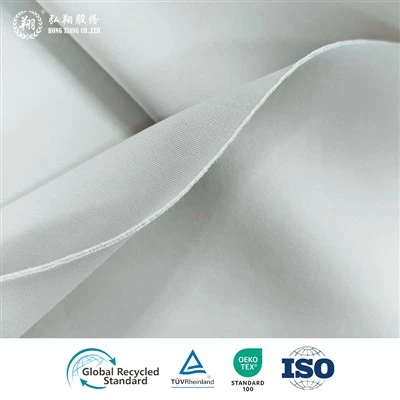
I still remember the first time I got a panicked email from a small fashion designer a few years back. She’d been comparing prices on foil printed fabric from three different suppliers, and the quotes ranged from $2.50 per yard to $18 per yard. She couldn’t figure out why there was such a gap, and she was worried the cheaper option would be too flimsy for her winter coat collection. I hopped on a call with her, walked through every factor that goes into pricing, and by the end, she realized the $2.50 fabric was using a cheap, transfer-based foil that would peel after three wears, while the $18 option was a heavy cotton twill with a precision-printed metallic foil that matched her brand’s high-end aesthetic. That conversation stuck with me because it’s exactly why I hate when people reduce foil printed fabric to a single price point. There’s science, craft, and material quality baked into every yard, and those elements are what drive cost.
Let’s start with the most obvious variable: the base fabric itself. Foil doesn’t stick to every material the same way, and the cost of that base material is the foundation of your final price. I’ve printed foil on everything from plain polyester chiffon for evening gowns to heavy organic linen for throw pillows, and each comes with a different price tag. For example, a basic 100% polyester poplin (a relatively stiff, common fabric) might cost $1.20-$1.80 per yard on its own. But if you’re using a high-quality organic cotton twill, that base price jumps to $3.50-$5 per yard, because organic cotton is more expensive to grow, process, and weave than conventional cotton. Then there’s specialty base fabrics: recycled polyester, silk, linen-blends for upholstery, even stretch spandex for activewear. Each has its own material cost, and that’s before we even add the foil.
Next up is the foil type, and this is where most buyers get blindsided. Not all foil is created equal, and the difference between a cheap aluminum transfer foil and a premium metal alloy foil is night and day. Let’s break it down: transfer foil is the cheapest option, used in many mass-produced goods. It’s a thin layer of aluminum that’s heat-applied to the fabric, usually with a sticky backside that can leave residue if not applied correctly. A yard of this foil might cost $0.10-$0.20, but it peels easily, fades after a few washes, and has a flat, unsubtle sheen. Then there’s standard metallic foil, which is a thin layer of actual metal (aluminum, brass, or copper) bonded to a polyester carrier. This is what we use for most custom orders that balance cost and quality. A yard of this foil runs $0.30-$0.70, and it has a brighter, more consistent sheen that’s more durable than transfer foil. Finally, there’s premium specialty foil: holographic, iridescent, gold leaf (yes, actual gold), metallic threads woven into the foil, or matte metallic finishes that are more subtle than shiny chrome. These foils are more expensive to manufacture, so a yard of holographic or gold leaf foil can run $1.50-$3.50, and that cost gets passed along to the fabric. I had a client last year who wanted a line of formal gowns with actual 24k gold foil printed on silk chiffon—by the time we factored in the base fabric, the gold foil, and the printing process, each yard ended up being $22, but she sold the gowns for $800 each, so she didn’t bat an eye at the cost.
Then there’s the printing method, which is a huge factor most people don’t consider. Foil printing isn’t just slapping a layer of metal onto fabric; it’s a precise process that requires specialized equipment, skilled labor, and quality control. The three main printing methods for foil printed fabric are rotary screen printing, digital foil printing, and heat transfer foil printing—each with its own cost structure.
Rotary screen printing is the most common for large orders (think 1,000+ yards) and complex, repeat patterns. It uses a cylindrical screen to apply foil adhesive to the fabric, then runs the fabric through a heat press to bond the foil. The cost here depends on the number of screens (each color or pattern repeat needs a new screen) and the length of the run. For a 1,000-yard order, rotary screen printing might add $0.80-$2 per yard to the base fabric and foil cost. But if you only need 50 yards, rotary screen printing is way too expensive because the setup cost for the screens is spread over too few yards. That’s where digital foil printing comes in. Digital printing uses inkjet technology to apply foil adhesive directly to the fabric, so there’s no screen setup cost, making it perfect for small to medium orders (10-500 yards). The catch? Digital foil printing is slower, so per-yard costs are higher than rotary screen printing for large runs—usually adding $1.50-$3 per yard to the total. Then there’s heat transfer printing, which is what you see on cheap t-shirts or apparel. It’s a single layer of foil applied with a heat press, and it’s only good for small, non-repeat designs. That method is the cheapest for very small orders, adding $0.50-$1 per yard, but it’s not durable enough for high-use or frequent washing. I always tell clients: if you need a run of 100 yards for a line of hoodies, go with digital or rotary; if you only need 5 yards for a sample, heat transfer is fine.
Customization is another big piece of the puzzle. If you want a solid block of foil across the entire yard, that’s cheaper than a intricate, detailed pattern with tiny lines or overlapping designs. The more complex the pattern, the more time it takes to set up the printing equipment, and the more waste there is during production. For example, a solid gold foil print on a 50-yard run of linen might cost $7 per yard total, but a custom floral pattern with 12 different foil details on the same length of fabric could be $15 per yard. There’s also edge coverage: some buyers want foil only in the design, while others want full coverage (the entire yard is metallic). Full coverage costs more because you’re using more foil, and the printing process has to be precise to avoid missing spots. Then there’s color matching. If you need a specific Pantone metallic color that’s not a standard foil, that adds a surcharge because we have to create a custom foil batch, which is more expensive than using pre-made standard foils. I once had a client who was making uniforms for a soccer team and needed a metallic silver that matched the team’s logo exactly—we had to create a custom foil, and that added $2 per yard to her order of 200 yards.
Don’t forget about minimum order quantities (MOQs), which is another factor that affects how much a yard costs. As a supplier, we have costs for setup, labor, and materials that we need to spread out over a certain number of yards to keep the price fair. If someone asks for a custom order of 2 yards, that’s way more work per yard than an order of 1,000 yards, so the per-yard price goes up because we can’t bulk up the material costs or setup time. Most reputable foil printed fabric suppliers have MOQs between 20 and 50 yards for custom orders, though some will do smaller orders for samples at a premium. I have a separate “sample order” pricing structure for anyone who only needs 1-5 yards to test a design for a collection—my sample pricing is 2-3 times the standard per-yard price, because it covers the extra labor and material waste of small runs.
Washing and care instructions also tie into cost, though it’s not a direct line item. If you want a foil printed fabric that’s washable, fade-resistant, and durable enough for apparel, we have to use a different adhesive than if you’re making a decorative throw pillow that only needs to be spot-cleaned. Washable foils go through an extra curing process that adds time and cost to production, but it means the foil won’t peel after 5 washes. I tell all my clients: if you’re using this fabric for something that will be worn or washed regularly, factor in that extra cost for a durable foil. If it’s a one-time event or decorative piece, you can opt for a lower-cost foil that works for spot cleaning.
Now, let’s put all this together with real numbers, so you have a sense of what to expect. Let’s take three common use cases to make it concrete:
-
Small Sample Order: 5 yards of foil printed fabric for a fashion designer’s collection sample. Base fabric: organic cotton jersey ($4 per yard). Foil: standard metallic silver ($0.50 per yard). Printing method: digital foil printing for a small, detailed logo pattern. Total per-yard cost: ~$12.50. The designer might pay $62.50 total for 5 yards, which is reasonable for a sample.
-
Medium Commercial Order: 200 yards of foil printed fabric for a brand’s holiday dress line. Base fabric: polyester chiffon ($1.50 per yard). Foil: standard metallic gold ($0.40 per yard). Printing method: rotary screen printing for a solid all-over foil with no extra design complexity. Total per-yard cost: ~$4.20. The total order cost would be ~$840, which is a fair price for a commercial apparel run.
-
High-End Luxury Order: 50 yards of foil printed fabric for a couture gown collection. Base fabric: silk charmeuse ($12 per yard). Foil: 24k gold leaf ($3 per yard). Printing method: digital printing for a custom, intricate floral pattern with overlapping foil details. Total per-yard cost: ~$28. The total order cost would be ~$1,400, which is standard for couture materials.
I know these numbers might seem all over the place, but that’s exactly the point—foil printed fabric isn’t a commodity, like plain cotton that has a set price per yard. It’s a custom product, tailored to your needs, and that means the price will shift based on every choice you make. I’ve seen buyers get sticker shock when they first see a $15 per yard quote, but then they compare it to a $2.50 per yard quote that will peel after a few washes, and they realize the higher price is worth it for quality.
Over the years, I’ve built my business on being transparent about pricing, no hidden fees, no bait-and-switch. Too many suppliers will quote a low price over email, then hit you with surcharges for custom patterns or small MOQs later, and that’s not how I operate. When a client sends me a request for a quote, the first thing I ask is: what’s this fabric for? What’s your order quantity? What kind of design or foil do you have in mind? Those details are non-negotiable for giving an accurate price.
If you’re in the market for foil printed fabric, my advice is to do your research, but don’t just compare per-yard prices. Ask for swatches first—swatches will show you the actual foil sheen, how it feels, whether it will stick to the fabric, and if the printing is even. And when you get a quote, don’t be afraid to ask questions: why is this quote higher than the last one? What type of foil are you using? What’s the MOQ? A reputable supplier will be happy to walk you through every line item, no confusion.
At the end of the day, foil printed fabric is about more than just a shiny surface. It’s about making a design stand out, adding a touch of luxury, or creating something that feels special. The cost reflects the care and quality that goes into every yard, from the base fabric to the final foil application. If you’re ready to source foil printed fabric for your next project, don’t hesitate to reach out to discuss your needs—we can walk through all the details and give you a transparent, accurate quote tailored to your order.
If you have any questions about foil types, printing methods, MOQs, or pricing for custom orders, feel free to connect with us to chat through your specific needs. We’re here to help you get the right fabric for your project, at a fair price.
Mesh Knitted Fabric References:
- Textile World. “Metallic Foil Printing on Fabrics: Processes, Material Considerations, and Quality Control.” 2021.
- Association of Sewing and Design Professionals. “Cost Factors in Custom Fabric Printing for Apparel and Home Goods.” 2022.
- Textile Institute. “Sustainability and Material Cost Dynamics in Specialty Fabrics.” 2020.
- Modern Textiles Magazine. “Digital vs. Rotary Screen Printing for Small and Medium Fabric Runs.” 2023.
Zhejiang Hongxiang Textile Technology Co., Ltd.
Zhejiang Hongxiang Textile Technology Co., Ltd. is one of the most professional foil printed fabric manufacturers and suppliers in China. With abundant experience, we warmly welcome you to wholesale custom made foil printed fabric from our factory. If you have any enquiry about cooperation, please feel free to email us.
Address: No. 8, 12th Road, Warp Weaving Park, Maqiao Street, Haining City, Jiaxing City, Zhejiang Province
E-mail: gd@hongxiang888.cn
WebSite: https://www.h-xiang.com/
