Glass ceramic LT, a material with remarkable properties, has found a variety of applications in the electronics industry. As a trusted supplier of Glass Ceramic LT, I am excited to share with you how this innovative material is revolutionizing the field of electronics. Glass Ceramic LT

1. Introduction to Glass Ceramic LT
Glass ceramic LT is a unique composite material that combines the best properties of glass and ceramics. It is produced through a controlled crystallization process, which results in a fine – grained microstructure. This material offers excellent thermal, mechanical, and electrical properties, making it highly suitable for electronics applications. Its low thermal expansion coefficient (LT stands for Low Thermal), high mechanical strength, and good electrical insulation are among the key features that make it stand out from other materials.
2. Applications in Printed Circuit Boards (PCBs)
2.1 High – Frequency Performance
In modern electronics, high – frequency signals are becoming increasingly important, especially in applications such as 5G communication and high – speed data transmission. Glass ceramic LT has a low dielectric constant and low loss tangent at high frequencies. A low dielectric constant allows for faster signal propagation, while a low loss tangent minimizes signal attenuation. This means that PCBs made with Glass Ceramic LT can support high – frequency signals with better performance, reducing signal distortion and improving the overall speed and reliability of electronic devices.
2.2 Thermal Management
Thermal management is a crucial issue in electronic devices, as excessive heat can reduce the performance and lifespan of components. Glass ceramic LT has a low coefficient of thermal expansion (CTE) that can be closely matched to that of semiconductor chips and other electronic components. This property helps to reduce thermal stress between different layers of a PCB, preventing delamination and cracking. Moreover, it can act as an effective heat dissipator due to its relatively high thermal conductivity, which helps to keep the temperature of the PCB under control.
3. Applications in Semiconductor Packaging
3.1 Hermetic Sealing
Semiconductor devices need to be protected from environmental factors such as moisture, dust, and chemicals to ensure their long – term reliability. Glass ceramic LT is an ideal material for hermetic sealing in semiconductor packaging. It can be precisely formed and sealed to create a tight enclosure around semiconductor chips. Its excellent chemical stability and low gas permeability prevent the ingress of harmful substances, thus protecting the sensitive semiconductor components inside.
3.2 Electrical Interconnects
In semiconductor packages, electrical interconnects are used to connect the semiconductor chip to the external circuit. Glass ceramic LT can be used to form high – density interconnects. It has good electrical insulation properties, which prevent electrical short – circuits between adjacent interconnects. At the same time, it can be machined to create fine – pitch interconnect patterns, enabling the miniaturization of semiconductor packages.
4. Applications in Microelectronic Devices
4.1 Micro – resonators and Filters
Micro – resonators and filters are essential components in modern microelectronic systems for signal processing and frequency selection. Glass ceramic LT can be used to fabricate high – performance micro – resonators and filters. Its high mechanical quality factor (Q – factor) allows for sharp resonance peaks, which is beneficial for achieving high – selectivity filtering. Additionally, its low thermal expansion ensures the stability of the resonant frequency over a wide temperature range, making it suitable for applications in harsh environments.
4.2 Sensors
Sensors play a vital role in many electronic applications, such as automotive, aerospace, and environmental monitoring. Glass ceramic LT can be used as a substrate or sensing element in various sensors. For example, in pressure sensors, its high mechanical strength and low CTE can provide stable and accurate measurements. The material’s chemical stability also makes it suitable for sensors used in chemical and biological environments, as it can resist corrosion and degradation.
5. Applications in Aerospace and Defense Electronics
5.1 High – Reliability Electronics
In aerospace and defense applications, electronic devices need to operate under extreme conditions, including high temperatures, high radiation, and mechanical vibrations. Glass ceramic LT offers high reliability under these harsh environments. Its low CTE and high mechanical strength ensure the integrity of electronic components during rapid temperature changes and mechanical shocks. Also, its radiation resistance protects the electronics from the damage caused by high – energy radiation, which is common in space and military applications.
5.2 Miniaturization
Aerospace and defense systems often require miniaturized electronic components to reduce weight and volume. Glass ceramic LT enables the miniaturization of electronic devices without sacrificing performance. Its ability to be used in high – density packaging and microfabrication processes allows for the design of compact and lightweight electronic modules, which are essential for applications such as unmanned aerial vehicles (UAVs) and satellite communication systems.
6. Advantages of Our Glass Ceramic LT Products
As a leading supplier of Glass Ceramic LT, our products offer several advantages. Firstly, we have a strict quality control system in place. Each batch of our Glass Ceramic LT materials is carefully inspected to ensure that it meets the highest industry standards in terms of chemical composition, physical properties, and surface quality. Secondly, we can provide customized solutions. We understand that different electronic applications have different requirements, so we can tailor the manufacturing process to produce Glass Ceramic LT products with specific properties, such as a particular CTE or dielectric constant. Thirdly, we offer competitive pricing. We have optimized our production process to reduce costs while maintaining high – quality standards, which allows us to offer our products at a more competitive price compared to many of our competitors.
7. Looking Forward to Business Cooperation
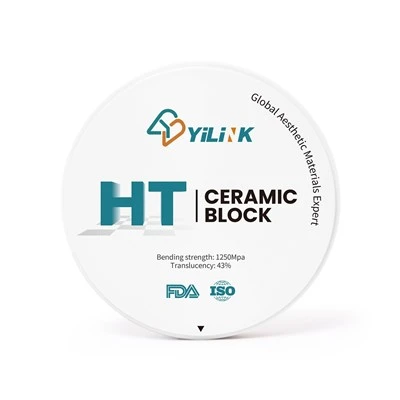
If you are involved in the electronics industry and are looking for high – quality Glass Ceramic LT materials, we are the right partner for you. Whether you are a small – scale startup working on innovative microelectronic devices or a large – scale electronics manufacturer with high – volume production needs, our products can meet your requirements. Our team of experienced professionals is ready to provide you with detailed technical support and answer all your questions about our products. We believe that our Glass Ceramic LT materials can help you improve the performance, reliability, and competitiveness of your electronic products.
SHT Zirconia Blocks Contact us to start a discussion about your specific needs and let’s explore how our Glass Ceramic LT products can be integrated into your manufacturing process. We look forward to establishing a long – term and mutually beneficial cooperation with you.
References
- Harris, D. C. (2016). Quantitative Chemical Analysis. W. H. Freeman.
- Smith, J. D. (2015). Fundamentals of Microfabrication and Nanotechnology. William Andrew.
- Rao, C. N. R. (2017). Experimental Methods in Solid State Chemistry. Wiley – VCH.
Yilink (Tianjin) Biotechnology Co., Ltd.
Yilink (Tianjin) Biotechnology Co., Ltd. is one of the most professional glass ceramic lt manufacturers and suppliers in China, also supports customized service. Welcome to buy discount glass ceramic lt in stock here and get pricelist from our factory. Quality products and low price are available.
Address: No. 9, Kaituo Road, Balitai Town, Jinnan District, Tianjin
E-mail: service@yilink-dental.com
WebSite: https://www.yilinkzirconia.com/
