In the world of precision manufacturing, the horizontal surface grinder stands as a cornerstone tool, enabling the creation of flat, smooth, and accurate surfaces on a wide range of workpieces. As a leading supplier of horizontal surface grinders, I understand the importance of not only the machine’s grinding capabilities but also the role of its dust collection system. This blog post will delve into what the dust collection system of a horizontal surface grinder is, why it’s crucial, and how it contributes to the overall efficiency and safety of the grinding process. Horizontal Surface Grinder
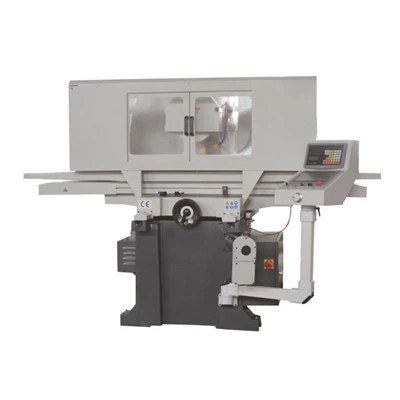
What is a Dust Collection System in a Horizontal Surface Grinder?
A dust collection system in a horizontal surface grinder is a specialized setup designed to capture and remove the dust and debris generated during the grinding process. When a horizontal surface grinder operates, it uses an abrasive wheel to remove material from the workpiece, creating a significant amount of fine dust particles. These particles can be a mixture of metal shavings, abrasive grit, and other contaminants.
The dust collection system typically consists of several key components:
-
Dust Hood or Enclosure: This is the part of the system that is directly attached to the grinding area. It is designed to enclose the grinding wheel and the workpiece, capturing the dust at the source. The dust hood is usually made of metal or a durable plastic material and is shaped to direct the dust towards the collection mechanism.
-
Ductwork: The ductwork is a series of pipes that connect the dust hood to the dust collector. It serves as a pathway for the dust-laden air to travel from the grinding area to the collection unit. The ductwork is designed to minimize resistance and ensure efficient airflow.
-
Dust Collector: This is the heart of the dust collection system. It is responsible for separating the dust from the air and collecting it in a container. There are several types of dust collectors, including cyclone collectors, baghouse collectors, and cartridge collectors. Each type has its own advantages and is suitable for different applications.
-
Fan or Blower: The fan or blower is used to create the necessary airflow to move the dust-laden air through the system. It is typically located near the dust collector and is sized to provide sufficient suction power to capture and transport the dust.
Why is a Dust Collection System Important?
The importance of a dust collection system in a horizontal surface grinder cannot be overstated. Here are some of the key reasons why it is essential:
-
Health and Safety: The dust generated during the grinding process can be hazardous to the health of the operators. Inhalation of fine dust particles can cause respiratory problems, such as asthma, bronchitis, and lung cancer. A dust collection system helps to reduce the amount of dust in the air, protecting the health of the workers.
-
Environmental Protection: The dust generated by the grinder can also have a negative impact on the environment. If not properly collected and disposed of, the dust can contaminate the air, water, and soil. A dust collection system helps to minimize the environmental impact of the grinding process by capturing and containing the dust.
-
Machine Performance and Longevity: The dust generated during the grinding process can also have a negative impact on the performance and longevity of the grinder. The dust can accumulate on the machine’s components, causing wear and tear and reducing its efficiency. A dust collection system helps to keep the machine clean and free of dust, ensuring its optimal performance and extending its lifespan.
-
Quality of the Workpiece: The dust generated during the grinding process can also affect the quality of the workpiece. The dust can settle on the surface of the workpiece, causing scratches and other defects. A dust collection system helps to keep the workpiece clean and free of dust, ensuring a high-quality finish.
How Does a Dust Collection System Work?
The operation of a dust collection system in a horizontal surface grinder can be divided into several steps:
-
Dust Generation: When the grinder is in operation, the abrasive wheel removes material from the workpiece, creating a cloud of dust. The dust is then captured by the dust hood or enclosure.
-
Airflow Creation: The fan or blower creates a negative pressure in the system, causing the dust-laden air to be drawn into the dust hood. The air then travels through the ductwork towards the dust collector.
-
Dust Separation: Once the dust-laden air reaches the dust collector, the dust is separated from the air. The separation process depends on the type of dust collector used. For example, in a cyclone collector, the dust is separated from the air by centrifugal force. In a baghouse collector, the dust is filtered out by a series of fabric bags.
-
Dust Collection: The separated dust is then collected in a container, such as a drum or a hopper. The container can be emptied periodically to remove the collected dust.
-
Clean Air Discharge: The clean air is then discharged back into the environment through a vent or exhaust system.
Types of Dust Collection Systems
There are several types of dust collection systems that can be used in a horizontal surface grinder. The choice of system depends on several factors, including the type of grinding operation, the amount of dust generated, and the specific requirements of the application.
-
Cyclone Collectors: Cyclone collectors are a popular choice for horizontal surface grinders. They work by using centrifugal force to separate the dust from the air. The dust-laden air is introduced into the cyclone collector at a high velocity, causing the dust to be thrown to the outer walls of the collector. The dust then falls to the bottom of the collector, where it can be collected.
-
Baghouse Collectors: Baghouse collectors are another common type of dust collection system. They work by using a series of fabric bags to filter the dust from the air. The dust-laden air is passed through the bags, and the dust is trapped on the surface of the bags. The bags can be cleaned periodically to remove the collected dust.
-
Cartridge Collectors: Cartridge collectors are similar to baghouse collectors, but they use cartridges instead of bags to filter the dust. The cartridges are made of a pleated filter media, which provides a large surface area for dust collection. Cartridge collectors are often used in applications where a high level of dust collection efficiency is required.
Maintenance and Troubleshooting
Proper maintenance of the dust collection system is essential to ensure its optimal performance and longevity. Here are some tips for maintaining the dust collection system:
-
Regular Cleaning: The dust collection system should be cleaned regularly to remove any accumulated dust and debris. This includes cleaning the dust hood, ductwork, and dust collector.
-
Filter Replacement: The filters in the dust collector should be replaced regularly to ensure efficient dust collection. The frequency of filter replacement depends on the type of filter and the amount of dust generated.
-
Inspection and Repair: The dust collection system should be inspected regularly for any signs of damage or wear. Any damaged or worn components should be repaired or replaced immediately.
-
Lubrication: The fan or blower in the dust collection system should be lubricated regularly to ensure smooth operation.
If you encounter any problems with the dust collection system, here are some troubleshooting tips:
-
Low Suction Power: If the dust collection system is not providing sufficient suction power, check the ductwork for any blockages. Make sure the fan or blower is operating properly and that the filters are clean.
-
Excessive Dust Leakage: If there is excessive dust leakage from the dust collection system, check the seals and gaskets for any damage. Make sure the dust hood is properly sealed to the grinding area.
-
Noise or Vibration: If the dust collection system is making excessive noise or vibration, check the fan or blower for any loose or damaged components. Make sure the system is properly balanced and that the mounting bolts are tightened.
Conclusion

In conclusion, the dust collection system of a horizontal surface grinder is an essential component that plays a crucial role in the health and safety of the operators, the environmental protection, the machine performance and longevity, and the quality of the workpiece. As a supplier of horizontal surface grinders, I am committed to providing our customers with high-quality dust collection systems that are efficient, reliable, and easy to maintain.
Precision Centerless Grinder If you are in the market for a horizontal surface grinder or need to upgrade your existing dust collection system, I encourage you to contact us for more information. Our team of experts can help you choose the right system for your specific needs and provide you with the support and service you need to ensure its optimal performance.
References
- American Conference of Governmental Industrial Hygienists (ACGIH). (2023). Threshold Limit Values for Chemical Substances and Physical Agents and Biological Exposure Indices.
- Occupational Safety and Health Administration (OSHA). (2023). Respiratory Protection Standard.
- National Fire Protection Association (NFPA). (2023). Standard for Dust Collection Systems in Industrial Establishments.
Wuxi Mingxu Machinery Equipment Co., Ltd.
As one of the most professional horizontal surface grinder manufacturers and suppliers in China, we’re featured by quality products and good price. Please rest assured to buy the best horizontal surface grinder for sale here from our factory. Also, custom service is available.
Address: No. 5-5 Jinke Wealth Plaza, Changjiang North Road, Xinwu District, Wuxi City, Jiangsu Province
E-mail: yingyingmxjd@163.com
WebSite: https://www.mingxu-china.com/
